
 San Diego Swift
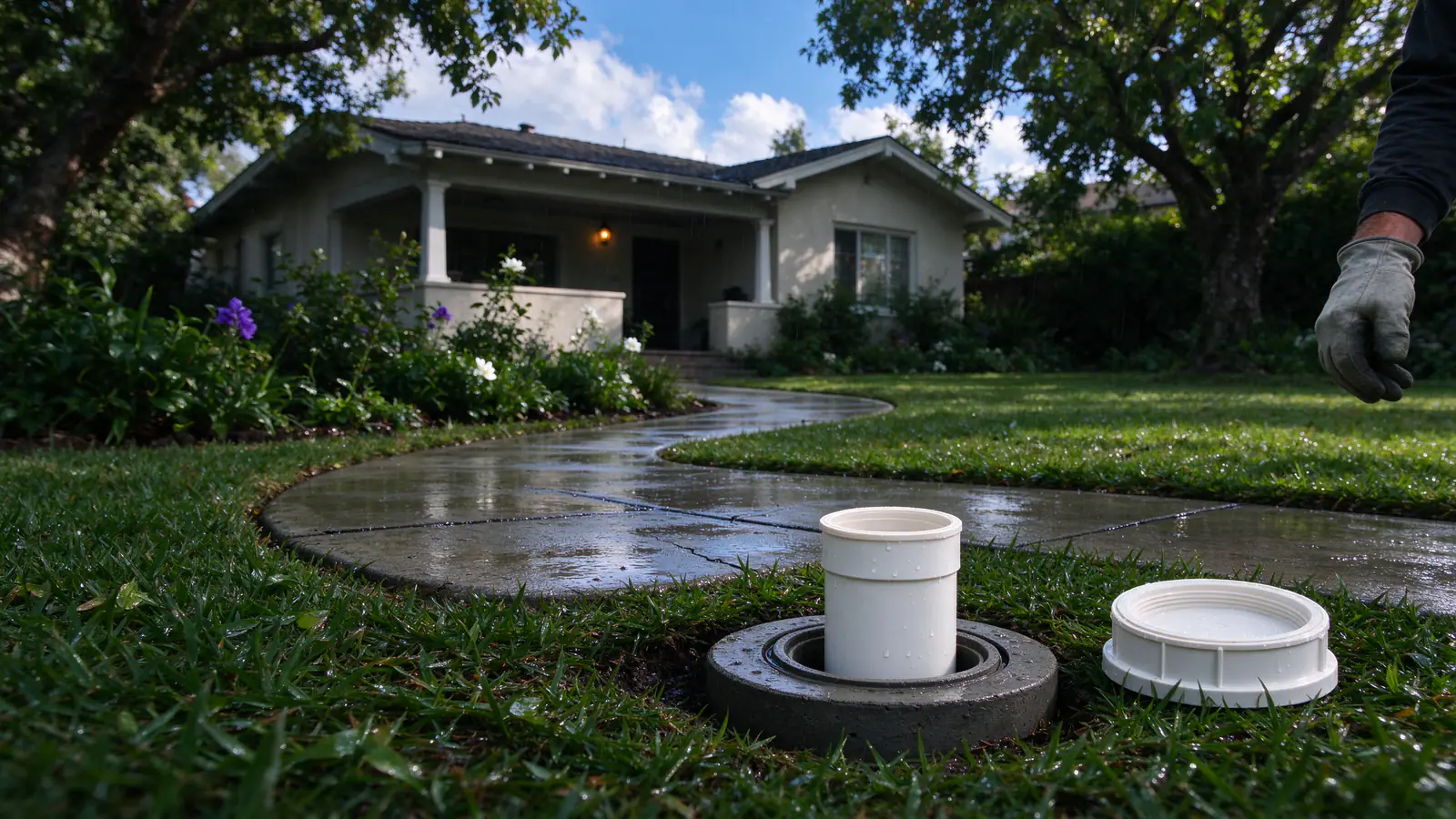
San Diego’s dry months are long and the wet ones are few, which is why a sewer lateral that seemed fine all summer can start gurgling, slowing or backing up within weeks of the first real storm. San Diego Swift Sewer Line Repair helps owners across the City and nearby San Diego County sort out what is happening in the pipe, and this checklist covers what is worth doing before the rain, not after it.
The short version: the pipe hasn’t changed overnight, but the ground around it has. Rain soaks soil that has been dry for months, and any weakness in the line suddenly has water pressing against it.
When does the rainy season actually arrive in San Diego?
Nearly all of it falls from November through March. NOAA’s 1991-2020 climate normals for the San Diego Lindbergh Field station put the yearly total at 9.79 inches, with 1.98 inches in January and 2.20 in February, while each month from June through September averages between 0.01 and 0.12 inches.
Inland it rains more: the same normals give El Cajon 11.63 inches a year and Escondido 14.52. Cold, on the other hand, is not the worry it is in other parts of the country. Lindbergh Field averages zero days a year at or below freezing, so frost heave isn’t a realistic cause of lateral damage here. The winter risk is water, arriving all at once into ground that has had none for half the year.
Why do laterals back up after the first storms?
Because saturated ground finds every opening in the pipe. Water moves toward open clay joints, cracks and loose connections and runs in, adding flow the lateral was never meant to carry. At the same time, roots, scale or debris that sat quietly in a dry line become the place where that extra flow catches and stops.
Water getting in through joints and cracks
This is infiltration, and older clay and concrete lines are the usual candidates because they were laid in short sections with many joints. The City’s own lateral fact sheet notes that older concrete, clay or cast iron laterals may have root intrusion or deteriorated sections, while newer plastic lines with intact joints can go years without trouble. Our clay sewer pipe repair page explains how joint failure lets groundwater in.
Roots that settled in during the dry months
Roots grow toward moisture, and a leaking joint is moisture. No local study ties San Diego’s long dry season to root growth in laterals specifically, so treat this as the general mechanism, not a forecast for your yard. What a root mass does in winter is predictable, though: it combs paper and solids out of a suddenly fuller flow. Root removal restores flow, but the joint the roots came through stays open until it is repaired.
Rainwater that shouldn’t be in the sewer at all
A sanitary lateral is sized for what the house sends down it, not for a roof. A downspout or yard drain tied into a cleanout, or a cleanout opening at ground level with no cap, can pour runoff straight into the line during a storm. That isn’t a pipe defect, and fixing it is often simpler than any repair.
A problem in the public main
Sometimes the backup starts downstream in the City main, not in your lateral. Similar symptoms, different cause. If the City confirms that a main stoppage caused damage and the owner was not at fault, Council Policy 400-10 provides for cleanup and claims, which must be filed in writing, most within six months. Lateral stoppages, including roots “from any source,” are excluded. Our guide on who is responsible for the sewer lateral covers where the City’s part begins.
None of this means a rain-time backup proves a broken pipe. It means something is either letting water in or narrowing the line, and only footage tells you which.
Backups every time it rains?
Send the address and what you've noticed, and we'll explain what a camera run would look for.
The checklist: what to do before the wet months
1. Find the cleanout and look at the cap
Know where your cleanout is before you need it. In unincorporated areas, the County notes cleanouts usually sit 3 to 5 feet from the house, sometimes at the front property line; City lots vary. If yours is buried, paved over or lost under a planter, our guide on where to find a sewer cleanout helps, and a line with no usable access can have one added through sewer cleanout installation. Check the cap from above: present, intact, seated. In Poway, a buried cleanout box must be exposed before the City will service the line.
2. Walk the path of the line
Look for a strip of lawn that stays wet or unusually green after the yard has dried, a soft or sunken spot, or a sewage smell outdoors. Each can point to a break, though none proves one. Our guide to the signs of a broken sewer line goes through what each symptom can mean.
3. Notice how the house drains now
Several slow drains at once, a toilet that bubbles when the washer empties, water rising in a shower: write down what happens and when. A pattern that gets worse after rain is useful evidence on its own.
4. Get the line on camera if anything looks wrong
A sewer camera inspection records the pipe from the cleanout to the main, with every defect noted by distance. Our typical range for the inspection is $100 to $500, and our camera inspection cost guide explains what moves it. The County recommends a camera inspection every 3 to 5 years for laterals in its sanitation district areas, which is a sensible rhythm for older lines anywhere.
5. Clean if the camera says so, and know what cleaning does
Hydro jetting or root cutting clears a narrowed line, and our typical range for it is $350 to $600 per job. It restores flow before the storms but doesn’t close a cracked joint or lift a sag. Our comparison of hydro jetting vs sewer repair covers where cleaning stops and repair starts.
If it backs up in the middle of a storm
Stop running water in the house, keep people and pets away from the overflow, and don’t try to clear the main line yourself. Our guide on what to do when your sewer backs up covers the first hour, and emergency sewer repair explains what happens next. In the City of San Diego, if a cleanout spills into the street, the City asks owners to call 619-515-3525; crews clean the right-of-way, and the owner pays for that response when the cause was in the private lateral.
What the footage decides once the rain stops
If the camera finds one bad joint or crack with sound pipe on either side, a spot repair may be enough. A continuous line that holds its shape may suit sewer pipe lining, though a liner follows the old pipe’s shape and won’t remove a belly. Defects along much of the run point to sewer line replacement. The dry months are the easier time to do any of it, so the scope can be planned rather than forced by a backup.
If your line has a history of winter trouble, get an estimate with the address and any footage you have, or call, and the next step can be sorted out before the season does it for you.